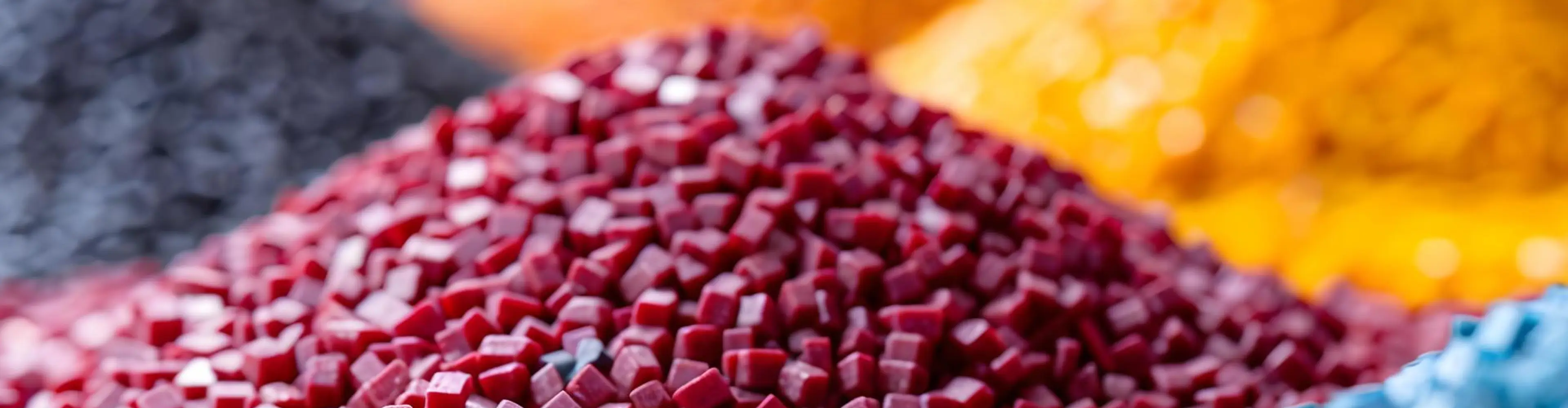
Detailed Product Description
TPR Compound – The Flexible, Efficient Material You’ve Been Waiting For
“Get the softness and resilience of rubber—without the curing headache—our TPR Compound delivers all the benefits of elastomeric performance in a pellet that's easy to process.”
Why Our TPR Compound Shines
1 Rubber-Like Elasticity with Thermoplastic Processing
TPR compounds (often based on SBS or similar block copolymers) deliver genuine flexibility, good elongation, and recovery—all while being melt-processable like standard plastics.
2 Hardness Range & Responsive Performance
Customize feel with Shore A hardness ranging broadly from ~20A up to ~90A—ideal from soft grips to wear-resistant soles.
3 Wide Operating Temperature & Weather Resilience
Tough down to −40 °C and stable long-term up to around 100 °C, TPR delivers reliable performance in temperature extremes. It resists oils, dilute acids, bases, and most greases for versatile use.
4 Outstanding Durability & Safety
TPR compounds offer high tear and abrasion resistance, making them ideal for high-wear applications. Plus, they are recyclable, free of harmful plasticizers, and compliant with standards like ROHS and REACH.
5 Efficient Thermoplastic Processing
No vulcanization needed—TPR compounds process via injection molding, extrusion, or blow molding using conventional equipment (180–230 °C), reducing cycle times and boosting efficiency.
How TPR Compound Solves Common Challenges
| Challenge | TPR Compound Advantage |
|---|---|
| Need for soft touch or rubber-like feel | Offers genuine flexibility and comfort under your design |
| Slow, complex rubber curing | Processable like plastic—works in standard mold cycles |
| Exposure to temperature or chemicals | Retains form and performance in extreme environments |
| Frequent wear or abrasion risk | Durable and resistant to wear, tear, and deformation |
| Environmental and regulatory pressure | Recyclable, compliant, and free of harmful additives |
Targeted Industry Applications
- Footwear & Soles: Slip-resistant, soft-touch soles that remain durable over time.
- Consumer Goods & Grips: Comfortable handles, grips, and soft-touch components for toys, tools, kitchenware, and devices.
- Automotive Components: Seals, gaskets, mats, trims, and cushioning that withstand movement, heat, and chemicals.
- Industrial & Medical Components: Flexible seals, cable jacketing, gaskets, and handles with high chemical resistance and fatigue tolerance.
Discover Flexibility with Efficiency—Your TPR Solution Awaits
Our TPR Compound offers unmatched elasticity, resilience, and manufacturability in one powerful, recyclable pellet.